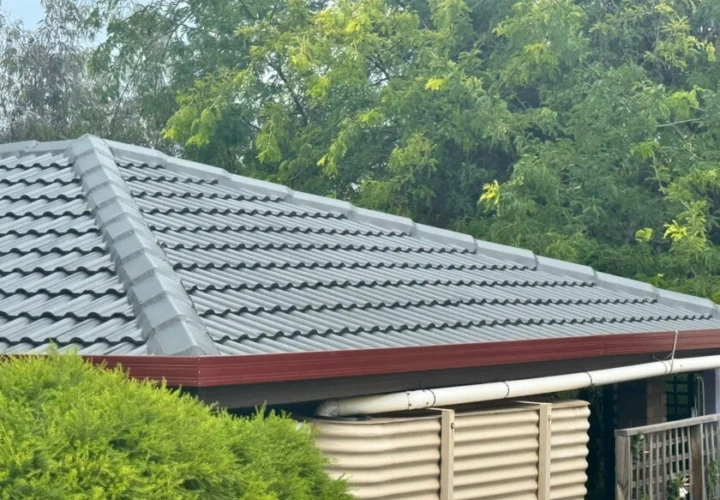
How Coastal Air Affects Tile Roofs – And What to Do About It
Most homeowners near the coast assume salt air is mainly a metal roof problem. Rust, corrosion, flaking gutters – that’s the mental image. Tile roofs, on the other hand, feel solid. Permanent, even. So they tend to get ignored.
But coastal conditions don’t discriminate by material. Tile roofs in Adelaide‘s beachside suburbs take a slow, quiet beating that most owners don’t notice until the damage is already established.
What Coastal Air Does to a Roof
Fine salt particles carried on sea breezes settle into every gap, joint, and porous surface on your roof – and then they get to work.
On tile roofs, the process is gradual but consistent. Concrete tiles are porous by nature. Over time, salt particles work their way into the tile surface and begin breaking down the material from within. The coating degrades faster than it would inland.
The mortar holding your ridge and hip caps is also affected. Salt accelerates the breakdown of pointing compound, causing it to crack and crumble sooner than expected.
The Suburbs Most at Risk
If your home is within a few kilometers of the coast, this applies to you. Glenelg, Brighton, Henley Beach, Semaphore, Christies Beach, Marino – roofs in these areas are in a different environment to homes further east. The closer to the water, the more concentrated the salt exposure.
Wind direction matters too. Homes that face the gulf get more direct salt deposition than those sheltered by other buildings or vegetation.
What It Means for Roof Lifespan
A concrete tile roof in an average Adelaide suburb, properly maintained, can last 40 to 50 years. In a coastal setting, without adequate maintenance or timely roof restoration, that timeline shortens.
The issue isn’t usually a single dramatic failure. It’s a gradual loss of surface integrity – the coating breaks down, the tiles become porous, and water infiltration increases.
Catching it at the right stage makes a real difference to both the cost and the outcome.
What to Watch Out For
You don’t need to be on the roof to spot early indicators. From the ground, look for:
- Tiles that appear chalky, faded, or uneven in colour
- White streaking or residue lines on the tile surface
- Ridge capping that looks cracked or has pieces missing
- Rust staining running down from metal components
- Gutters showing signs of corrosion sooner than expected
Inside the house, any water staining on ceilings after rain – even minor – is worth taking seriously. By the time it appears indoors, the entry point has usually been open for a while.
What Actually Helps
A quality restoration – cleaning, repointing, and a proper membrane coating – does more than refresh the appearance. The coating seals the tile surface against salt and moisture penetration and effectively resets the clock on surface degradation.
For coastal homes, it’s less of an aesthetic upgrade and more of a protective measure. The right coating slows the rate at which salt and UV do their work. Done at the right time, it’s significantly cheaper than addressing the damage after it’s progressed.
Regular inspections matter more in coastal areas too. Not annually, but every few years is a reasonable cadence depending on the roof’s age and condition.
Getting an Honest Read on Where Your Roof Is At
If your coastal roof hasn’t been looked at in a few years, it’s worth knowing its current condition. Because the gap between needs attention soon and needs attention now closes fast.
And Dolphin Roofing has 80 years of experience to intervene at the right time. We’ve assessed plenty of roofs across Adelaide’s coastal suburbs. We understand what salt air does over time and what stage a roof is at when we’re looking at it.
Call us on 0422 855 992 for an inspection and honest assessment.