What a Proper Roof Inspection Actually Involves (And How to Know You’re Getting One)
By the name of it, a roof inspection sounds like someone climbs up, takes a look around, and comes back down with an opinion. And honestly, that’s what some of them are. A quick scan, a vague assessment, and a quote that appears before you’ve had time to ask a single question.
A proper inspection is a different thing entirely.
Everything a Proper Roof Inspection Should Cover — And Usually Doesn’t
It Starts Before Anyone Gets on the Roof
A good roofer will ask a few questions first. How old is the house? Any leaks you’ve noticed – even minor ones? Has any work been done up there before?
This isn’t small talk. It shapes where they look and what they’re expecting to find. A roof on an 80s build in the eastern suburbs has a different history to one on a newer home in the northern fringe. Context matters.
What’s Actually Being Checked Up There
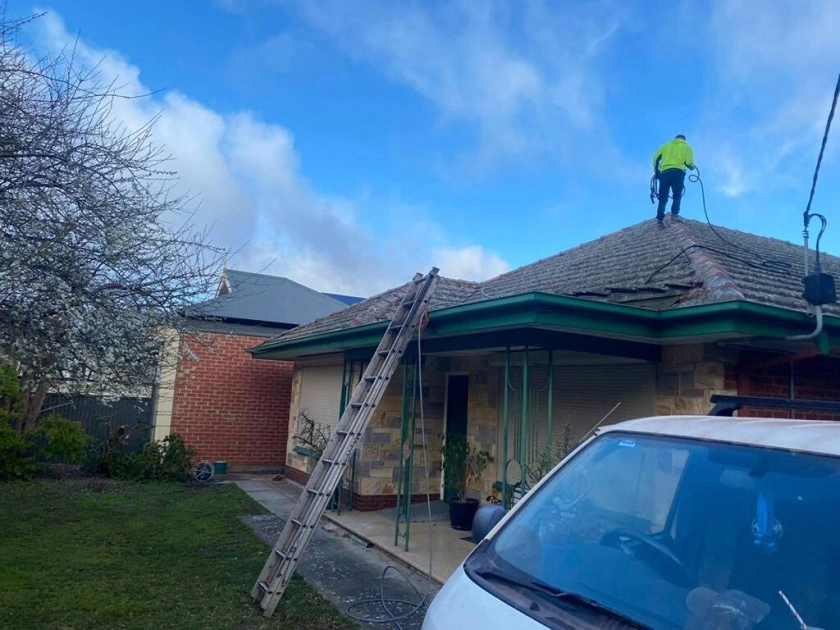
Once they’re on the roof, here’s what a thorough inspection covers:
Ridge capping and pointing
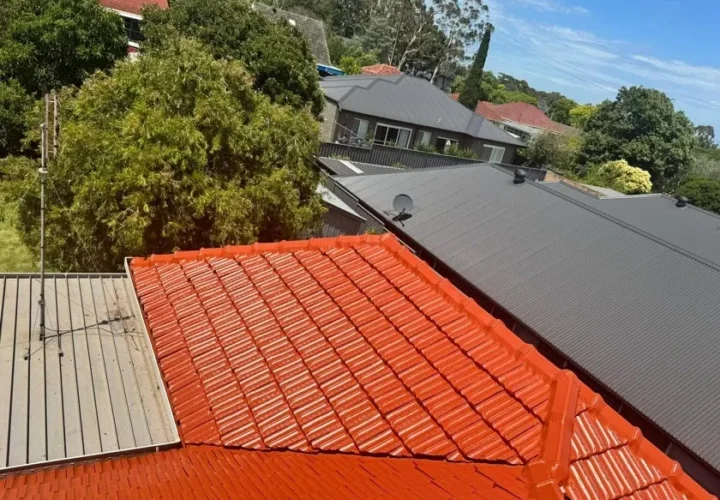
The mortar along the ridge capping and hip caps is one of the first things to go. A proper check looks for cracking, softness, or sections that have already been lifted. Loose caps are a direct entry point for water.
Tile condition
Not just the obvious cracks. Tiles can have hairline fractures that aren’t visible from the ground. A good inspector checks for movement underfoot, hollow sounds, and tiles that have shifted out of alignment.
Valleys and flashings
The junctions where roof planes meet – and where penetrations like skylights or vents sit – are where roof leaks most commonly start. Flashing can lift, corrode, or separate without being obvious. This area gets specific attention, not a passing glance.
Gutters and fascia
Blocked or sagging gutters cause water to back up. A proper inspection includes checking for debris buildup, rust, and whether the fall is still correct. The fascia behind the gutter gets checked too – by the time it’s visibly rotting, water has usually been sitting there a while.
The roof space
If there’s ceiling access, a good roofer will check inside too. Water staining on sarking or insulation, daylight visible through the roof, or a musty smell – these are things you simply can’t see from the outside.
What Gets Documented
A thorough inspection doesn’t end with a verbal summary on the driveway. You should receive a clear breakdown of what was found, what’s a priority, and what can wait. Photos help. If a roofer can’t show you what they found, it’s reasonable to ask why.
This also makes it easier to compare quotes, if you’re getting more than one. You’re comparing assessments of the same findings – not vague estimates based on different assumptions.
How to Tell the Difference
A rushed inspection – the kind that leads straight to a quote – usually skips the questions, skips the roof space, and focuses on what’s easiest to sell. It’s not always bad intent. Sometimes it’s just a habit.
The signs of a proper one: they take their time, they explain what they’re seeing as they go, and they’re willing to tell you when something doesn’t need immediate attention. That last part matters. An honest inspector won’t treat every finding as urgent.
Worth Knowing Before You Book One
An inspection should give you clarity, not anxiety. If you come away from it more confused than when you started – or with a quote that appeared suspiciously fast – it’s worth getting a second opinion.
At Dolphin Roofing, inspections are where everything starts. We look at the full picture, explain what we find, and give you a straight answer on what actually needs doing. No pressure, no rushed assessments.
Call us on (08) 8004 2399 to book yours.